US Supreme Court Docket Explained
📅 2026 Update: Changes in the US Supreme Court Docket Process
Since the original article was published, there have been key updates to the US Supreme Court docket process. These changes affect how cases are filed and processed. Readers can find the earlier article further down the page for more foundational information.
📄 Electronic Filing System
In 2024, the Supreme Court introduced an electronic filing system. This allows attorneys to submit documents online instead of using paper filings. The goal is to make the filing process faster and more efficient for all parties involved.
- 🖥️ Benefits: The electronic system streamlines the submission of court documents.
- ⏰ Faster Processing: It helps reduce delays in getting cases reviewed.
💰 Filing Fee Increase
Starting January 1, 2025, the filing fee for a petition for a writ of certiorari increased from $300 to $350. This change impacts anyone looking to appeal a lower court's decision.
- 💵 New Fee: The current fee for a writ of certiorari is now $350.
- ⚖️ In Forma Pauperis: Petitioners who cannot afford this fee may file a motion to proceed in forma pauperis without any fees.
📅 Deadlines and Eligibility
The deadlines for filing a petition for a writ of certiorari remain critical. Petitions must be filed within 90 days after the lower court's judgment.
- ⏳ Timely Filing: Late submissions may result in dismissal.
- ✅ Eligibility: Those eligible include parties who lost in lower court rulings and seek Supreme Court review.
🏛️ Admission to the Bar Changes
As of May 1, 2025, the fee for admission to the Supreme Court Bar is $200. This is necessary for attorneys wishing to argue cases before the Court.
- 📜 Application Process: Applicants must submit a form, pay the fee, and take an oath.
- 🔄 Ongoing Applications: There is no specific deadline for submitting admission applications.
📌 Key Points Summary
- 🖥️ Electronic filing system launched in 2024.
- 💰 Filing fee increased to $350 in 2025.
- ⏳ Petition deadlines are within 90 days of judgment.
- 📜 Admission fee to the Bar is now $200.
- 💵 Fee waivers are available for those in need.
💡 Tips for Navigating the Supreme Court Docket
Reviewing your specific situation with your attorney can help clarify your options.
📝 Understand the Filing Process
Familiarize yourself with the steps for filing a petition for a writ of certiorari. The Supreme Court's electronic filing system has specific formatting requirements you must follow.
💵 Prepare for Fees
Be ready for the increased filing fee of $350. If you cannot afford this amount, consider filing a motion to proceed in forma pauperis.
⏳ Meet Deadlines
Always keep track of deadlines. Petitions must be submitted within 90 days of the lower court's decision, so mark your calendar.
📜 Know Admission Requirements
If you are an attorney looking to argue at the Supreme Court, ensure you understand the admission process and the associated fee of $200.
📄 Utilize Free Resources
Access the Public Access to Court Electronic Records (PACER) for free court information. This can help you stay informed about your case and other relevant filings.
❓ Frequently Asked Questions
❓ What is a writ of certiorari?
A writ of certiorari is a request for the Supreme Court to review a lower court's decision. It is typically filed by parties who have lost in those courts.
📅 How long does it take to process a petition?
Petitions for a writ of certiorari are usually reviewed during the Court's weekly conferences. Decisions are announced shortly after these meetings.
📜 Can I file a petition without an attorney?
While individuals can file petitions without legal representation, it is advisable to seek guidance from an attorney to ensure proper formatting and adherence to filing rules.
💼 What if I miss the filing deadline?
Missing the 90-day deadline for filing a petition for a writ of certiorari may lead to dismissal. It's important to keep track of all relevant dates.
🏛️ How do I find out the status of my case?
You can check your case status by accessing the PACER system. This platform provides up-to-date docket information for registered users.
📁 Are there exemptions for filing fees?
Yes, individuals who cannot afford the filing fee can submit a motion to proceed in forma pauperis, which allows them to file without payment.
⚖️ Recent Cases Impacting the Supreme Court Docket
Recent rulings from the US Supreme Court illustrate how decisions can shape legal processes and affect individuals. These cases highlight the evolving nature of the Court's docket.
- Court Dismisses Egbert George's Appeal as Untimely FiledSupreme Court of The Virgin Islands · September 16, 2026
- Hawaii Supreme Court Suspends Attorney Nathan DykstraHawaii Supreme Court · September 29, 2026
- Hawaii Supreme Court Rules on Arbitration Award in Navatek CaseHawaii Supreme Court · September 30, 2026
- Hawaii Supreme Court Rules on Maui Fire Case Fee StructureHawaii Supreme Court · September 30, 2026
For more recent rulings and updates, feel free to browse more rulings on the news page.
End of October 2026 Update
The majority of the cases on the US Supreme Court Docket are appellate cases. The appellate cases on the Supreme Court docket are attempts to have rulings from lower courts overturned.
Appellate cases comprise the majority of the Supreme Court Docket since the Supreme Court has original jurisdiction over only a small number of cases. Therefore, much of the Court's time is spent examining lower court rulings that are presented to the Supreme Court for consideration on the US Supreme Court Docket.
In order to be placed on the US Supreme Court, the Supreme Court must believe that there is an underlying constitutional issue, or have an inclination that one of the lower courts did not act properly.
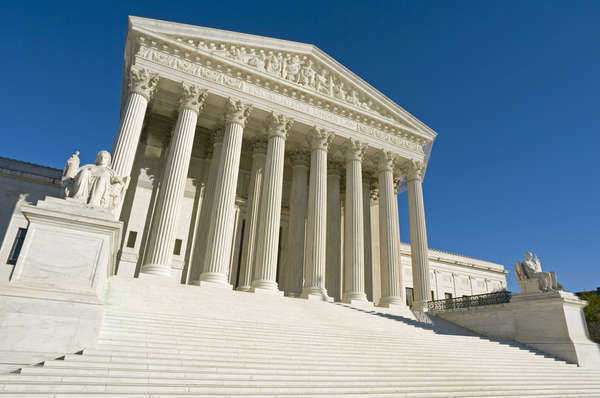
However, inclusion on the US Supreme Court docket does not automatically mean that the Supreme Court will overturn the lower court. In fact, in many cases, the Supreme Court supports, or upholds, the finding of a lower court.
The Supreme Court docket is the list of cases that a particular session of the Supreme Court has agreed to hear. The Supreme Court has the authority to set its own docket. However, in a largely forgotten process, a lower court judge may assist in forming the US Supreme Court Docket if he or she "certifies" a case as being in need of national attention or that needs clarification by the Supreme Court.