Facts About the Supreme Court Building
📅 2026 Update: What's New at the Supreme Court Building
Since the original article was published, there have been no significant changes to the Supreme Court Building. The structure, operations, and visitor policies remain the same as before. Readers can find the earlier article further down this page for additional details.
🏛️ Visitor Access Remains Free
Visitors can still enter the Supreme Court Building without any admission fees. All visitor programs are free and available on a first-come, first-served basis. This makes it easier for the public to engage with the Court's activities.
⏰ No Changes in Visitor Hours
The Supreme Court Building continues to be open to the public from 9 a.m. to 3 p.m., Monday through Friday. This schedule remains unchanged, allowing ample time for people to explore the building and learn about the Court.
🎟️ Courtroom Seating Pilot Program
During oral arguments, seating is available on a first-come, first-served basis. The Supreme Court is currently conducting a pilot program that allows members of the public to apply for Courtroom seating through an online lottery. This new option may improve access for those who wish to attend sessions.
🔒 Security Measures Are Still in Place
All visitors must pass through security screening before entering the building. This includes using a magnetometer and x-ray machines for personal belongings. Items such as food, beverages, and large bags are still prohibited inside the Supreme Court Building.
📚 Visitor Amenities Available
The Supreme Court Café and gift shop are open to the public from 9 a.m. to 3 p.m., Monday through Friday. Visitors can enjoy a variety of food and beverage options, as well as browse through materials that enhance their understanding of the Court's history.
📌 Key Points Summary
- No admission fees to visit the Supreme Court Building.
- Open hours remain 9 a.m. to 3 p.m., Monday to Friday.
- New pilot program for Courtroom seating through an online lottery.
- Security screening is mandatory for all visitors.
- Café and gift shop available for food and educational materials.
💡 Tips for Visiting the Supreme Court Building
Before visiting, it is wise to go over the details of your own situation with your attorney.
🎫 Arrive Early for Oral Arguments
If you plan to attend oral arguments, arrive early. Seating begins at 9:30 a.m., and it is first-come, first-served. Lining up early increases your chances of getting a seat.
📅 Check Visitor Programs
Visitor programs are free and do not require reservations. These programs are available on a first-come, first-served basis. Check for any special programs or lectures that may be happening during your visit.
📸 Know Photography Rules
You may take photographs in public spaces of the Supreme Court Building. However, no photography is allowed inside the Courtroom. Be mindful of these rules to avoid any issues during your visit.
👜 Be Aware of Prohibited Items
Before entering, be aware of prohibited items. Food, beverages, large bags, and weapons are not allowed inside. This helps ensure a safe environment for everyone.
🕒 Plan for Longer Wait Times
During peak visitor months, particularly from April through June, expect longer wait times for security screening. Being prepared can enhance your overall experience.
🏆 Free Options Ranked by User Reviews (2026)
No national paid services in this area met the review threshold. Instead, this section lists free government and nonprofit resources mentioned in the FACTS.
🥇 1. Supreme Court Visitor's Guide
The Supreme Court offers a Visitor’s Guide to assist people in planning their visits. This guide includes information about the building, its history, and what to expect during your visit. It helps both first-time visitors and those returning to the Court.
🥈 2. Public Restrooms and Amenities
Public restrooms are conveniently located on both the ground and first floors of the Supreme Court Building. Water fountains are also available at the ground floor restrooms. These amenities ensure a comfortable experience for all visitors.
🥉 3. Visitor Programs
The Supreme Court provides various free visitor programs. These include guided tours and lectures about the Court’s history and operations. Participating in these programs can deepen your understanding of the judicial system.
4️⃣ Café and Gift Shop
The Supreme Court Café and gift shop are open to the public from 9 a.m. to 3 p.m., Monday through Friday. The café offers a range of food options, while the gift shop features books and materials related to the Court's history.
5️⃣ Visitor Assistance
Visitor assistance is available for those needing help navigating the building. Staff members are present to answer questions and provide guidance during your visit. This support can enhance your overall experience at the Supreme Court.
🔎 What to Check Before Paying for Help
- 🏛️ Verify if the service is free.
- 📚 Look for government or nonprofit resources.
- ❓ Ask about the experience of the provider.
- 📅 Check for current offerings and availability.
- 🛑 Be cautious of any hidden fees.
❓ Frequently Asked Questions
❓ What should I know about courtroom seating?
Courtroom seating is available on a first-come, first-served basis during oral arguments. A new online lottery pilot program may help people secure a seat.
📅 When can I visit the Supreme Court Building?
The Supreme Court Building is open to the public from 9 a.m. to 3 p.m., Monday through Friday, excluding federal holidays.
🕒 How early should I arrive for oral arguments?
Try to arrive early if you want to attend oral arguments. Seating begins at 9:30 a.m., so lining up sooner increases your chances of getting in.
🔒 What security measures are in place for visitors?
All visitors must pass through security screening, which includes a magnetometer and x-ray machines. Certain items, like food and large bags, are prohibited.
📸 Can I take pictures inside the Supreme Court Building?
You can take photographs in public areas of the building. However, photography inside the Courtroom is not allowed at any time.
🍽️ What amenities are available for visitors?
The Supreme Court Café offers food and beverages, and a gift shop features books and educational materials. Public restrooms and water fountains are also available.
⚖️ Recent Cases and Their Impact
Recent Supreme Court rulings continue to shape important issues affecting everyday life. These decisions illustrate how the Court interprets laws and their implications for the public.
- Puerto Rico Court Denies Certiorari in Deposition DisputeTribunal De Apelaciones De Puerto Rico/Court of Appeals of Puerto Rico · August 14, 2026
- Puerto Rico court dismisses appeal over improper notificationTribunal De Apelaciones De Puerto Rico/Court of Appeals of Puerto Rico · August 25, 2026
- Puerto Rico Court Rules on Property Dispute AppealTribunal De Apelaciones De Puerto Rico/Court of Appeals of Puerto Rico · August 17, 2026
- Puerto Rico Court Denies Certiorari in Property Dispute CaseTribunal De Apelaciones De Puerto Rico/Court of Appeals of Puerto Rico · August 18, 2026
For more insights into these recent decisions, feel free to check more rulings on the news page.
End of October 2026 Update
The US Supreme Court building was the final of the three building built for the major branches of the federal government. Before the Supreme Court Building was constructed, the US Supreme Court was forced to meet in the basement of the basement of the United States Capitol Building, followed by the US Supreme Court presiding in the Old Senate Chamber.
It was not until 1935 that the US Supreme Court moved into its own building. The Supreme Court Building is located in Washington D. C. It is located one block immediately east of the Capitol building.
The Supreme Court Building was designed by architect Cass Gilbert. The cornerstone was laid on October 13, 1392, with construction being completed in 1935. The four story building cost almost ten million dollars. The outside of the Supreme Court building is made from Vermont marble.
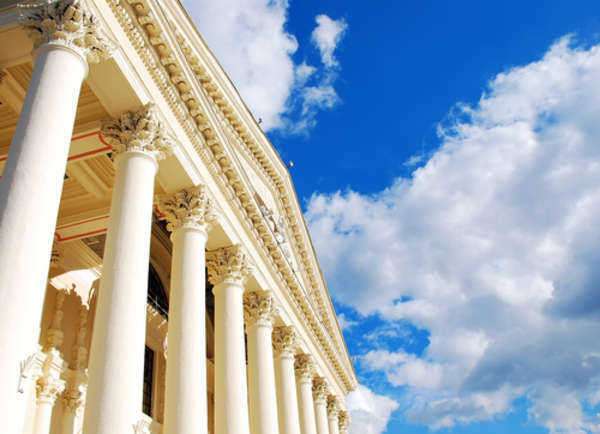
With the exception of the US Supreme Court room itself, the interior surfaces are lined with Alabama marble. The Courtroom is lined with Spanish ivory vein marble. There are twenty four columns in the Courtroom, which are made of ivory buff and golden marble mined from quarries near Siena Italy.
The western facade of the US Supreme Court building, which is often considered the front of the building since it faces the Capitol Building, bears the motto "Equal Justice Under Law," while the east face of the Supreme Court Building is inscribed with the saying "Justice, the Guardian of Liberty."