Facts About the State Court of Pennsylvania
📅 2026 Update: Changes in Pennsylvania's Court System
Since the original article was written, there have been several important updates concerning court procedures and fees in various states, including Texas and New York. These changes can impact how individuals interact with the court system, especially for those in Pennsylvania who may need to file cases or seek assistance.
The earlier article continues below, providing foundational information about the Pennsylvania court system, its structure, and functions.
🏛️ Texas Court Rules Updates
On July 1, 2026, the Texas Rules of Civil Procedure were updated. These amendments may affect how civil cases are handled in Texas courts. Understanding these changes is crucial for anyone involved in legal proceedings in Texas, as they can impact filing processes and court procedures.
- 📄 New Forms Available: Along with the rule updates, new forms have been made available to streamline court processes.
- ⏳ Processing Times Adjusted: Some processing times for civil cases may vary based on these new rules.
🗂️ New York Court Fees
As of October 2026, several fees have been set for filing cases in New York courts.
- 💵 Supreme Court Filing Fees: To obtain an index number for a civil matter, the fee is $210. For foreclosure actions, there is an additional fee of $190.
- 🏙️ Civil Court Fees: In the 11th Judicial District (Queens County), the filing fee for small claims up to $1,000 is $15, while claims over that amount cost $20.
🏢 Northern District of New York
The Northern District of New York continues to handle a variety of federal cases.
- 📝 Civil Complaint Filing Fee: The total cost to file a civil complaint is $405, which includes a $350 filing fee and a $55 administrative fee.
- 🗃️ Specific Procedures: Each case type may have different procedures and requirements that need to be followed.
🏛️ Free Court Help Centers
For individuals navigating the court system, Free Court Help Centers are available in both New York and Texas.
- 🏫 New York Court Help Centers: These centers provide assistance to self-represented litigants, helping them understand court procedures and complete necessary forms.
- 📚 Texas Self-Help Resources: The Texas Judicial Branch offers guides and forms to support individuals representing themselves in court.
📌 Key Takeaways
- 📅 Texas Court Rules changed on July 1, 2026.
- 💰 New filing fees were introduced in New York as of October 2026.
- 📂 The Northern District of New York has specific fees for civil complaints.
- 🏥 Free assistance is available through New York and Texas court help centers.
💡 Tips for Navigating Pennsylvania Courts
Review the specifics of your situation with your attorney to ensure you are well-informed about your options.
📋 Understand Filing Fees
Be aware of the current filing fees in your area. Pennsylvania may have its own specific fees that differ from those in Texas or New York. This will help you budget for any legal actions you may wish to pursue.
⏳ Check Processing Times
Processing times can affect how quickly your case is resolved. In Pennsylvania, these times may vary based on the type of case and the specific court handling it, so stay informed about what to expect.
🗂️ Use Available Forms
Make sure to use the correct forms when filing your case. Pennsylvania courts may have specific forms required for different types of cases, which can impact your filing process.
🏢 Seek Help at Court Centers
Look for local court help centers in Pennsylvania. These centers can provide valuable assistance and guidance for self-represented litigants.
📑 Stay On Top of Deadlines
Keep track of all deadlines for filing and responding to court actions. Pennsylvania courts will have specific timelines that must be adhered to in order to avoid complications in your case.
📖 Explore Self-Help Resources
Take advantage of any self-help resources offered by local courts. These tools can help clarify procedures and ensure that you are following the necessary steps while representing yourself.
🏆 Free Options Ranked by User Reviews (2026)
In the area of legal assistance, no national paid services met the review threshold, which is why this section focuses on free government and nonprofit resources available to those navigating the court system.
🥇 1. New York Court Help Centers
New York Court Help Centers provide support to individuals who are representing themselves in court. They offer guidance on court procedures and help with completing necessary forms. This resource is beneficial for anyone unsure about the legal process.
🥈 2. Texas Court Self-Help Resources
The Texas Judicial Branch has created various self-help resources for individuals who choose to represent themselves. These resources include guides and forms tailored to assist with civil, family, and probate cases. They are designed to simplify the court process and ensure that individuals have the tools they need.
🥉 3. Northern District of New York
The Northern District of New York offers access to federal court resources. This includes information on filing procedures and fees, which are essential for those involved in federal cases. Individuals can find specific details that relate to their circumstances.
4️⃣ Pennsylvania Court Resources
Various local resources in Pennsylvania assist individuals in understanding the court system. These resources often include information on filing fees, court procedures, and available forms. They help ensure that litigants are informed and prepared for their cases.
5️⃣ Ohio's America 250 Celebration
While not a direct legal resource, Ohio's America 250 Celebration highlighted important historical events and themes relevant to the legal landscape. This celebration can provide context and understanding of how historical events have shaped current legal frameworks.
🔎 Before Paying for Help
- 🔍 Check for free resources first.
- 📅 Verify the latest filing fees.
- 🏛️ Ensure the service is legitimate.
- 📄 Confirm the service can help with your specific legal issue.
❓ Frequently Asked Questions
❓ What are the recent changes in court fees?
Recent updates have introduced new filing fees in New York as of October 2026. For example, obtaining an index number for a civil matter costs $210, while foreclosure actions incur an additional fee of $190.
📜 How can I find the right forms for my case?
You can find the appropriate forms for your case by checking with your local court. Pennsylvania courts have specific forms that must be used for various case types, and these are often available online.
⏰ What should I know about processing times?
Processing times in Pennsylvania courts can vary based on the case type and jurisdiction. It's crucial to stay informed about these timelines so you can manage expectations regarding your case's resolution.
📅 Are there deadlines I need to be aware of?
Yes, each court has specific deadlines for filing and responding to actions. It's important to be aware of these deadlines to avoid issues with your case.
🏫 Where can I find help if I’m representing myself?
You can seek assistance from court help centers in Pennsylvania. These centers provide valuable guidance for self-represented litigants, helping them navigate the court system effectively.
🏛️ What is the structure of the Pennsylvania court system?
The Pennsylvania court system includes various levels, such as municipal courts, county courts, and appellate courts. Understanding this structure can help you determine where to file your case.
⚖️ Recent Cases Impacting Everyday People
Recent court rulings can directly affect how individuals interact with the legal system. Understanding these decisions is important for staying informed about your rights and responsibilities.
- Court Dismisses Appeal in New Jersey Foreclosure CaseNew Jersey Superior Court Appellate Division · October 20, 2026
- California Court of Appeal rules on malicious prosecution caseCalifornia Court of Appeal · October 20, 2026
- Florida court affirms ruling in Griffin v. State appealDistrict Court of Appeal of Florida · October 20, 2026
- Georgia Court Grants Appeal in Peewee Stumpie Lee CaseCourt of Appeals of Georgia · October 20, 2026
Explore more recent rulings in the news section: more rulings on the news page.
End of October 2026 Update
State Court of Pennsylvania
The State court system of Pennsylvania is governed and maintained based on the interpretation of the State’s constitution. Specifically; however, the State court system of Pennsylvania is regulated and administered through the state government’s Judiciary system.
Pennsylvania’s Judiciary branch is divided into 60 judicial districts. The majority of these circuits, with the exception of Philadelphia, possess magisterial district judges (formerly referred to as district justices and justices of the peace). These individuals typically preside over preliminary hearings in misdemeanor as well as felony trials. All minor, meaning summary, criminal offenses and civil claims are administered and heard by this court system.
The majority of criminal and civil cases originate in the Courts of Common Pleas. This state court of Pennsylvania also serves as the appellate court to the underlying and respective district judges and for all local agency decisions.
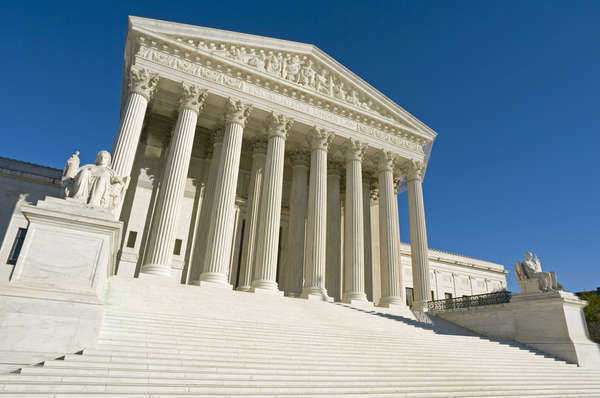
The Superior Court of Pennsylvania hears all appeals from the Courts of Common Pleas that are not expressly designated to the Commonwealth Court or the Supreme Court. The Superior Court also possesses original jurisdictional powers to review warrants for wiretap surveillance.
The Commonwealth Court system is limited to appeals from final orders of certain state agencies and certain designated cases from the Courts of Common Pleas. The Supreme Court of the state of Pennsylvania is the final appellate court in the judicial system. All judges in Pennsylvania are elected and the chief justice is determined through seniority.